
Ukrainian drones overwhelm Russian tanks’ new active protection system—for now
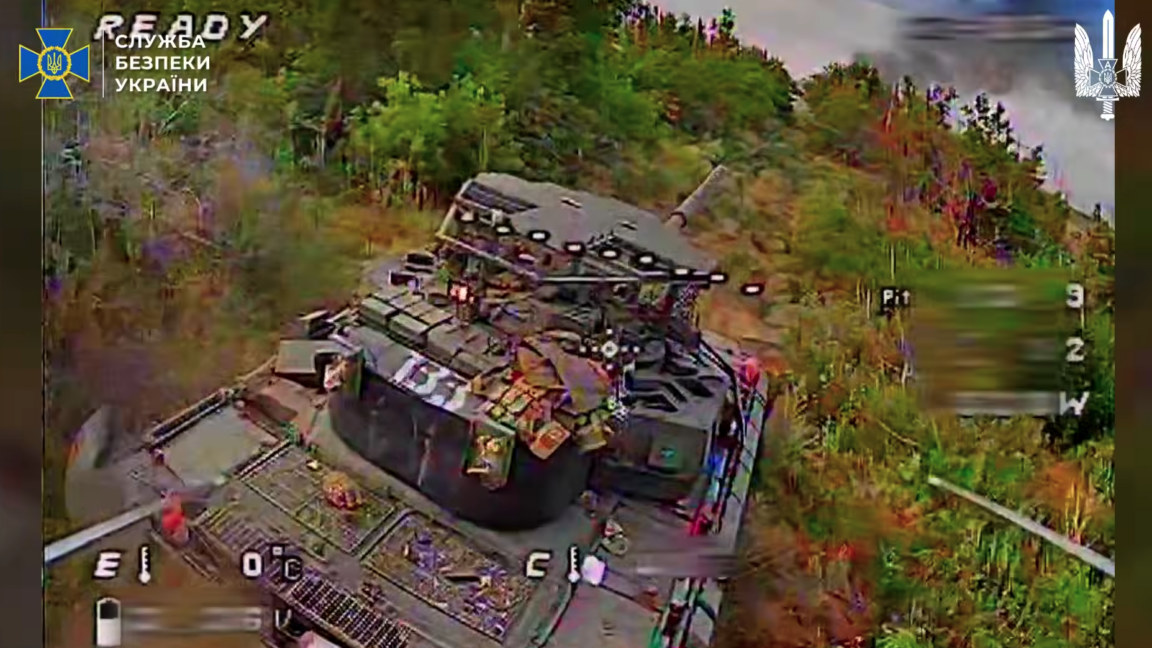
Russian tanks have entered battle for the first time with a new active protection system designed to shoot down incoming drones. But the technology’s recent combat debut in Ukraine met with only limited success—Ukrainian drones still destroyed the Russian armored vehicles by attacking in overwhelming numbers.
Reported by 1 outlet — Ars Technica. See all sources ↓
Russian tanks have entered battle for the first time with a new active protection system designed to shoot down incoming drones. But the technology’s recent combat debut in Ukraine met with only limited success—Ukrainian drones still destroyed the Russian armored vehicles by attacking in overwhelming numbers. The first documented battlefield appearance of the Arena-M active protection system took place when Russian forces launched a company-size assault with tanks and other armored vehicles in the Donetsk Oblast of eastern Ukraine on July 22. The Ukrainian defenders repelled the attack and posted video footage of their kamikaze drone strikes destroying at least seven T-72B3A tanks, including some that carried the Arena-M system, according to Euromaidan Press.
Read the full report at Ars Technica ↗
Why it matters
A world story we're tracking; its significance and source trust firm up as more outlets confirm it.
- What's the story?
- Russian tanks have entered battle for the first time with a new active protection system designed to shoot down incoming drones. But the technology’s recent combat debut in Ukraine met with only limited success—Ukrainian drones still destroyed the Russian armored vehicles by attacking in overwhelming numbers.
- How widely is it covered?
- 1 outlet, average source rating 7.0/10.
- When was it last updated?
- 12m ago.
How outlets are framing the same story
Here's how each outlet is covering the story — compare their headlines and timing at a glance.
- Coverage card1 outlet1CoverageScouting report
Ukrainian drones overwhelm Russian tanks’ new active protection system—for now
Sources1TypeCoverageArs Technica