
US push to defund ‘DEI bike lanes’ will make roads less safe, advocates say
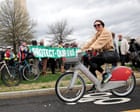
Trump administration boasts of cutting $1.73bn already allocated for cycling improvements to city streets Sign up for the Breaking News US newsletter email The Trump administration’s plans to stymie and defund bike lane plans in the US, on the unusual basis that they are DEI tools, will hurt efforts to improve roadway safety, non-motorized transportation advocates say. The transportation secretary, Sean Duffy, posted on X this month that he had redirected $1.73bn allocated for “Biden-era DEI pet projects” to “America’s actual backbone: ROADS, BRIDGES, AND SHIPPING PORTS”.
Reported by 1 outlet — The Guardian US. See all sources ↓
The Trump administration moved $1.73 billion that was set aside for bike lane improvements to other infrastructure projects. Transportation Secretary Sean Duffy said the money was taken from “Biden-era DEI pet projects” and sent to roads, bridges, and shipping ports. He did not give details about which bike lane projects were affected. Advocates for cycling and pedestrian safety warn that cutting these funds will make roads less safe for non‑motorized travelers.
Why it matters
Bike lanes help protect cyclists and pedestrians from car traffic, reducing crashes and injuries. Removing funding could lead to fewer safe routes and more accidents on US streets.
- What amount of money was redirected?
- $1.73 billion was moved from bike lane funds to roads, bridges, and ports.
- Who announced the redirection?
- Transportation Secretary Sean Duffy announced it on X.
- Why do advocates say the change is unsafe?
- They say fewer bike lanes will make roads more dangerous for cyclists and pedestrians.
How outlets are framing the same story
Here's how each outlet is covering the story — compare their headlines and timing at a glance.
All outlets frame the story the same way, focusing on the funding shift and safety concerns.
- Coverage card1 outlet1CoverageScouting report
US push to defund ‘DEI bike lanes’ will make roads less safe, advocates say
Sources1TypeCoverageThe Guardian US