
We've flown a radiation-blocking vest to the Moon and back, and it worked
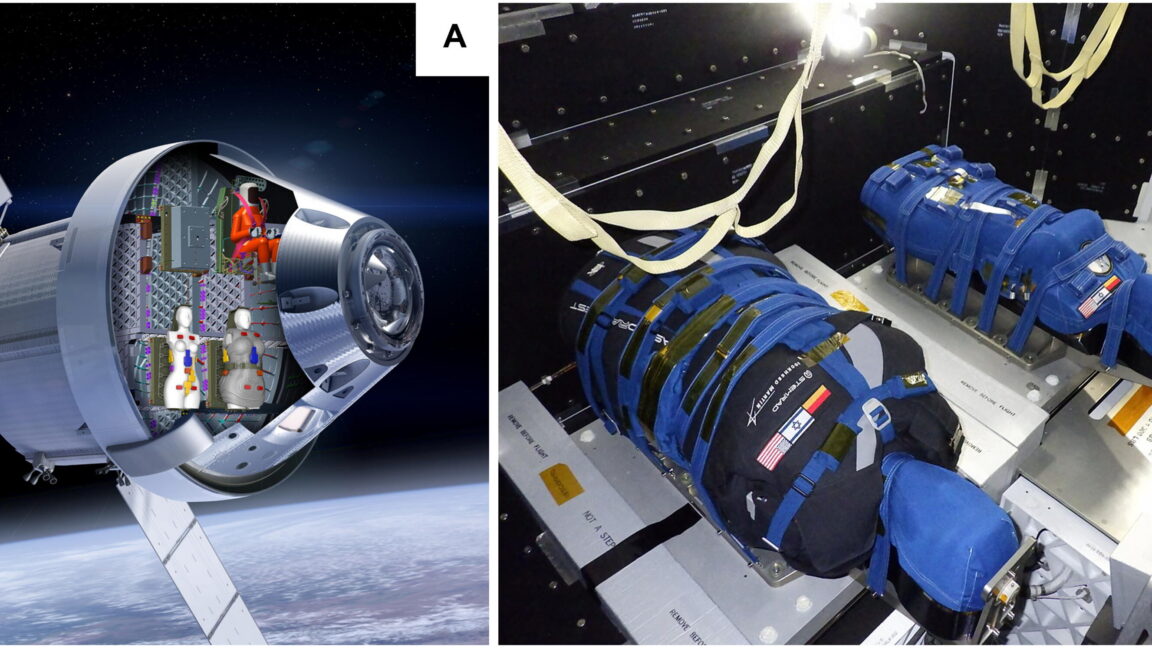
Solar storms, like the one in August 1972 that hit during the gap between the Apollo 16 and Apollo 17 missions, throw bursts of protons intense enough to raise an astronaut's cancer risk or even cause radiation sickness. Earth's atmosphere and magnetic field absorb this radiation, but crews heading to the Moon or Mars won't have that protection, and no spacecraft built so far has enough shielding to stop it.
Reported by 2 outlets — Ars Technica, Seattle Times. See all sources ↓
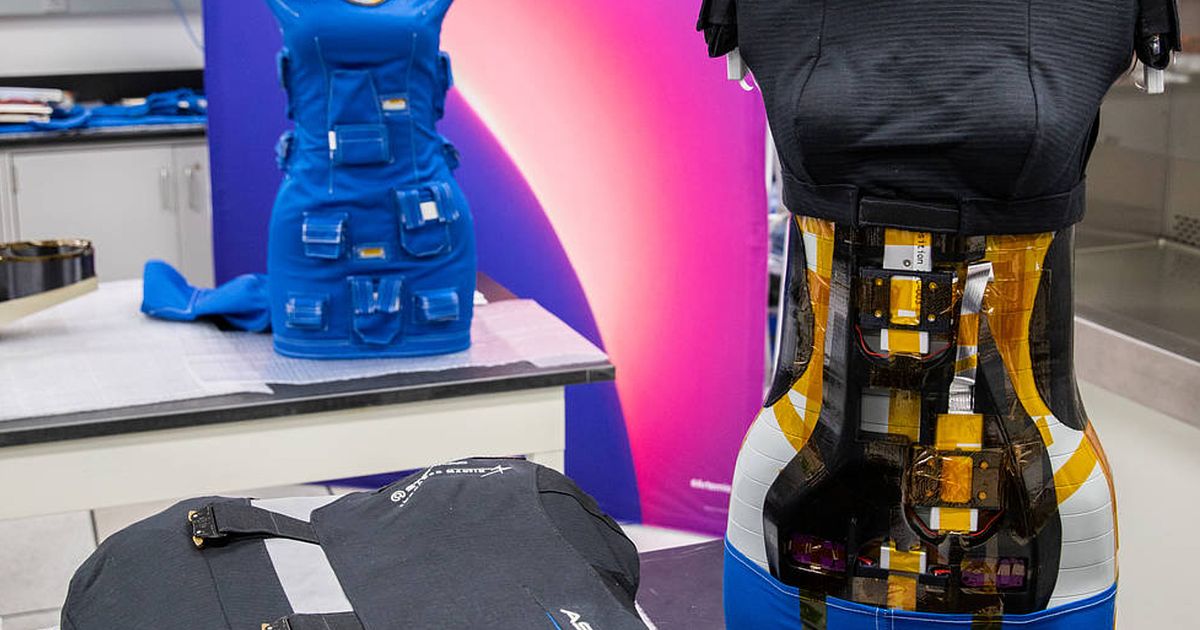
Solar storms, like the one in August 1972 that hit during the gap between the Apollo 16 and Apollo 17 missions, throw bursts of protons intense enough to raise an astronaut's cancer risk or even cause radiation sickness. Earth's atmosphere and magnetic field absorb this radiation, but crews heading to the Moon or Mars won't have that protection, and no spacecraft built so far has enough shielding to stop it. A team led by Jordan Houri and Oren Milstein of StemRad, an Israeli-American startup developing personal protective equipment against radiation, proposed we could solve this by shielding the astronauts instead of shielding the spacecraft. To test this idea, StemRad’s team flew a wearable radiation-shielding vest called AstroRad to the Moon and back aboard NASA's uncrewed Artemis I mission, then used the flight data to calculate how it would perform during an actual solar storm.
Read the full report at Ars Technica ↗
Why it matters
2 outlets are covering this world story — one to watch as reporting develops.
- What's the story?
- Solar storms, like the one in August 1972 that hit during the gap between the Apollo 16 and Apollo 17 missions, throw bursts of protons intense enough to raise an astronaut's cancer risk or even cause radiation sickness. Earth's atmosphere and magnetic field absorb this radiation, but crews heading to the Moon or Mars won't have that protection, and no spacecraft built so far has enough shielding to stop it.
- How widely is it covered?
- 2 outlets, average source rating 6.5/10.
- When was it last updated?
- 11m ago.
How outlets are framing the same story
Here's how each outlet is covering the story — compare their headlines and timing at a glance.
- Coverage card2 outlets1CoverageScouting report
Radiation vest tested on NASA moonshot can cut astronauts’ exposure in solar storms, study suggests
Sources2TypeCoverageArs Technica
Seattle Times