
What’s Up: August 2026 Skywatching Tips from NASA
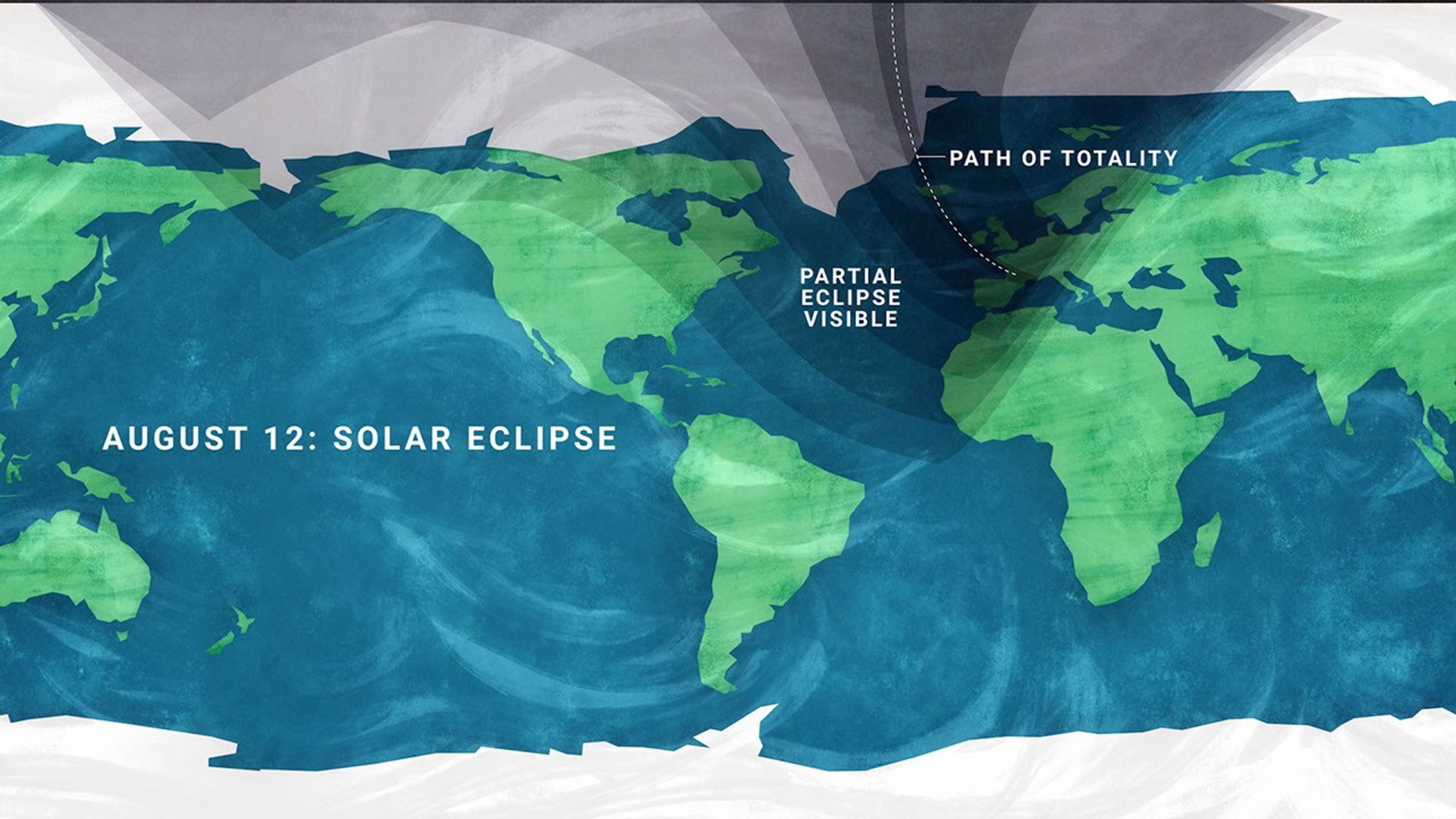

A total solar eclipse occurred on August 12, and a partial lunar eclipse happened on August 27-28.
Reported by 2 outlets — NASA, WIRED. See all sources ↓
There were two eclipses in August 2026. A total solar eclipse happened on August 12. People in northern Russia, Greenland, Iceland, northern Spain, and part of Portugal saw the total eclipse. A partial lunar eclipse occurred on August 27-28.
Why it matters
These eclipses are rare and interesting events that people can observe. They also help scientists learn more about the universe.
- What is a solar eclipse?
- A solar eclipse happens when the moon passes between the Earth and the sun.
- What is a lunar eclipse?
- A lunar eclipse happens when the Earth passes between the sun and the moon.
How outlets are framing the same story
These are the main editorial angles found across reporting. Use them to quickly compare what different outlets emphasize, omit, or question.
NASA and WIRED reported on the same eclipses, but WIRED focused more on the details of how to see them.
- Coverage cardFraming signal1AngleScouting report
Two eclipses in August 2026
Sources2TypeAngleNASAlists eclipses and their dates
WIREDemphasizes the rarity of the eclipses
- Coverage cardFraming signal2AngleScouting report
How to see the eclipses
Sources1TypeAngle - Coverage cardFraming signal3AngleScouting report
Path of the eclipses
Sources1TypeAngle