
Wildfire smoke now bigger prenatal threat than human sources of air pollution
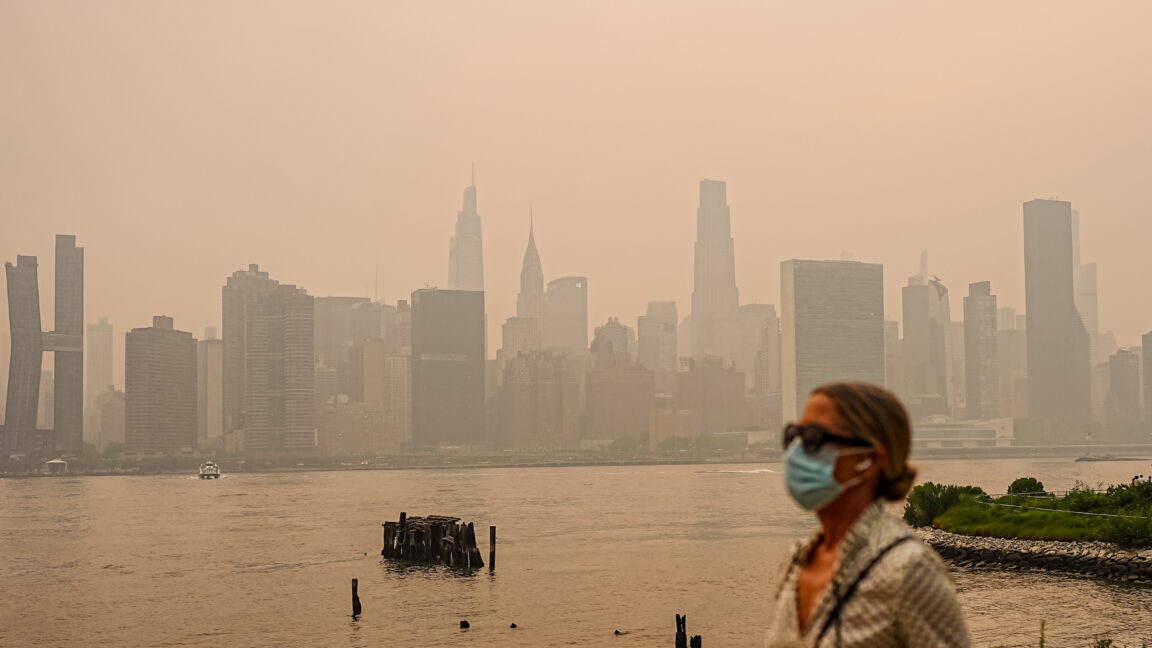
In 1965, a presidential advisory panel issued a report warning that pervasive chemical and carbon pollution was harming environmental health and changing the climate. Five years later, President Richard Nixon signed the Clean Air Act.
Reported by 1 outlet — Ars Technica. See all sources ↓
In 1965, a presidential advisory panel issued a report warning that pervasive chemical and carbon pollution was harming environmental health and changing the climate. Five years later, President Richard Nixon signed the Clean Air Act. Since that 1970 law and its amendments were passed, combined emissions of a half-dozen harmful air pollutants from vehicles and industrial sources have decreased by nearly 80 percent. But mounting evidence shows that pollution from wildfire smoke is eclipsing those air-quality gains.
Read the full report at Ars Technica ↗
Why it matters
A world story we're tracking; its significance and source trust firm up as more outlets confirm it.
- What's the story?
- In 1965, a presidential advisory panel issued a report warning that pervasive chemical and carbon pollution was harming environmental health and changing the climate. Five years later, President Richard Nixon signed the Clean Air Act.
- How widely is it covered?
- 1 outlet, average source rating 7.0/10.
- When was it last updated?
- 13m ago.
How outlets are framing the same story
Here's how each outlet is covering the story — compare their headlines and timing at a glance.
- Coverage card1 outlet1CoverageScouting report
Wildfire smoke now bigger prenatal threat than human sources of air pollution
Sources1TypeCoverageArs Technica