
#Trade Policy
Trade policy refers to government rules and agreements managing imports and exports. These policies shape global economies, business costs, and consumer prices.
Articles (30)
- 🇺🇸 Can the MATCH Act trap China’s semiconductor ambitions? [USA] Related: #Technology Competition, #National Security
-
 🇺🇸 5 takeaways from Trump’s trade court battle over new tariffs
[USA]
🇺🇸 5 takeaways from Trump’s trade court battle over new tariffs
[USA]
Marathon arguments over President Trump’s 10 percent global tariff left judges toiling over the meaning of a 1974 trade law on Friday. The U.S. Court of International Trade in New York heard argument...
Related: #Executive Power, #Legal Challenge -
🇺🇸 US federal court hears new case against Trump tariffs
[USA]
The case is to overturn the temporary tariffs that Trump imposed after the Supreme Court struck down his earlier ones.
Related: #Legal Challenge, #Executive Power -
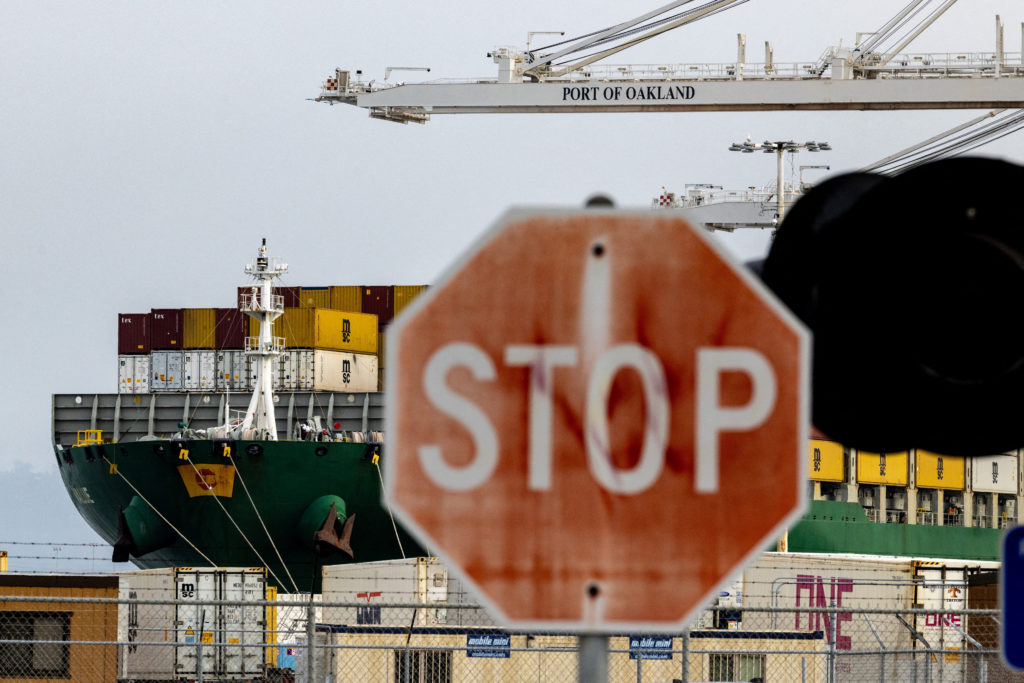 🇺🇸 Federal court hears new case against Trump's latest global tariffs
[USA]
🇺🇸 Federal court hears new case against Trump's latest global tariffs
[USA]
The U.S. Court of International Trade, a specialized court in New York, is hearing oral arguments Friday in an attempt to overturn the temporary tariffs President Donald Trump turned to after the Supr...
Related: #Legal Challenge, #Executive Power -
 🇺🇸 The US sees trade allies more like adversaries
[USA]
🇺🇸 The US sees trade allies more like adversaries
[USA]
The traditional “free trade agreement premium” has effectively disappeared.
Related: #Geopolitics, #Economic Strategy -
 🇺🇸 Listen live: Trade court weighs Trump's 10 percent tariffs after Supreme Court blow
[USA]
🇺🇸 Listen live: Trade court weighs Trump's 10 percent tariffs after Supreme Court blow
[USA]
The U.S. Court of International Trade will consider President Trump's 10 percent global import tax on foreign trading partners months after the Supreme Court struck down the bulk of his tariff agenda....
Related: #Judicial Review, #Presidential Power -
 🇺🇸 Trump’s latest tariffs face trade court showdown
[USA]
🇺🇸 Trump’s latest tariffs face trade court showdown
[USA]
President Trump's new tariffs are headed for a court showdown Friday. The U.S. Court of International Trade will take the bench to consider Trump's 10-percent global levy he imposed after the Supreme...
Related: #Executive Power, #Legal Challenge -
 🇺🇸 EU and US near critical minerals deal to combat Chinese control, Bloomberg News reports
[USA]
Related: #Geopolitics, #Supply Chains
🇺🇸 EU and US near critical minerals deal to combat Chinese control, Bloomberg News reports
[USA]
Related: #Geopolitics, #Supply Chains
-
 🇺🇸 Trump Administration Returns to Court for Yet Another Tariff Lawsuit
[USA]
🇺🇸 Trump Administration Returns to Court for Yet Another Tariff Lawsuit
[USA]
States and small businesses challenged the 10 percent tax on many imports that President Trump imposed after the Supreme Court struck down a previous slate of tariffs.
Related: #Executive Power, #Legal Challenge -
🇺🇸 Ecuador hikes tariffs to 100-percent in feud with neighbour Colombia
[USA]
Daniel Noboa has accused Colombia's Gustavo Petro of failing to take 'effective measures' against drug trafficking.
Related: #International Relations, #Security, #Drug Trafficking -
 🇺🇸 White House Secures Foreign Steel for Ballroom Project
[USA]
🇺🇸 White House Secures Foreign Steel for Ballroom Project
[USA]
ArcelorMittal, a European steel maker, is donating tens of millions of dollars of foreign steel for President Trump’s new ballroom.
Related: #Government Ethics, #Presidential Projects -
🇺🇸 Have Trump's tariffs worked? This is where things stand a year after 'Liberation Day'
[USA]
It has been a year since President Trump announced double-digit tariffs on imports from around the world. So far, those levies have not produced the economic boom the president promised.
Related: #Economic Impact -
 🇺🇸 How attacks on ‘most-favoured nation’ weaken the unfavoured WTO
[USA]
🇺🇸 How attacks on ‘most-favoured nation’ weaken the unfavoured WTO
[USA]
Governments are wrong to assume the US is arguing in good faith for the organisation to reform
Related: #WTO Governance -
🇺🇸 The uneven cost of tariffs: Why some households will pay more than others
[USA]
Households experience the financial cost of tariffs differently based on factors such as household size and consumption, economists said.
Related: #Economic Inequality -
 🇺🇸 Thailand must submit comments to U.S. on Section 301 probe by April 15
[USA]
Related: #U.S.-Thailand Relations, #Section 301
🇺🇸 Thailand must submit comments to U.S. on Section 301 probe by April 15
[USA]
Related: #U.S.-Thailand Relations, #Section 301
-
 🇬🇧 HS2 firm says new steel tariffs will ‘exacerbate’ cost pressures for UK construction industry
[United Kingdom]
🇬🇧 HS2 firm says new steel tariffs will ‘exacerbate’ cost pressures for UK construction industry
[United Kingdom]
<p>Doubling tariffs on imported steel will raise cost of the metal when Iran war is already inflating steel and concrete prices</p><p>One of HS2’s biggest contractors has warned the government that ra...
Related: #Infrastructure Costs -
 🇺🇸 China pledges more balanced trade and further opening of the economy after record surplus
[USA]
Related: #Economic Reform
🇺🇸 China pledges more balanced trade and further opening of the economy after record surplus
[USA]
Related: #Economic Reform
-
 🇺🇸 Beijing vows broader market access as goods trade surplus hits record levels
[USA]
Related: #Economic Relations
🇺🇸 Beijing vows broader market access as goods trade surplus hits record levels
[USA]
Related: #Economic Relations
-
 🇬🇧 ‘We need to think much bigger’: trade minister calls for greater ambition in UK-EU reset
[United Kingdom]
🇬🇧 ‘We need to think much bigger’: trade minister calls for greater ambition in UK-EU reset
[United Kingdom]
<p>Exclusive: Chris Bryant says policy agreements are being done in bits and pieces but a greater vision is needed by both sides</p><p>It was all smiles and warm handshakes when the two men in charge ...
Related: #UK-EU Relations -
 🇺🇸 China’s crackdown on fuel and fertiliser exports spurs supply fears
[USA]
🇺🇸 China’s crackdown on fuel and fertiliser exports spurs supply fears
[USA]
Beijing is trying to preserve its own stockpiles by limiting sales
Related: #Supply Security -
🇺🇸 Iran war: What’s the Jones Act, and why has Trump suspended it for 60 days?
[USA]
The move allows foreign-flagged vessels to transport goods between US ports for the next 60 days.
Related: #Geopolitical Tensions -
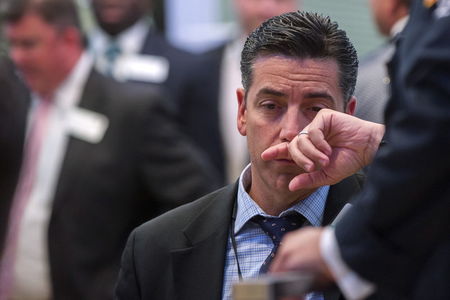 🇺🇸 Rational AG margin holds flat in 2025 despite €13 mln U.S. tariff hit
[USA]
Related: #Corporate Finance
🇺🇸 Rational AG margin holds flat in 2025 despite €13 mln U.S. tariff hit
[USA]
Related: #Corporate Finance
-
🇺🇸 NFL to consider 5-year window for pick trades
[USA]
The Browns are proposing a rule change that would allow NFL teams to trade draft picks five years into the future instead of three.
Related: #NFL Draft -
 🇬🇧 UK to double steel tariffs to 50% to save plants from collapse
[United Kingdom]
🇬🇧 UK to double steel tariffs to 50% to save plants from collapse
[United Kingdom]
<p>Business secretary announces new ‘steel safeguards’ during visit to Tata’s Port Talbot plant</p><p>The UK is to double tariffs on Chinese and other foreign steel in a bid to save its remaining plan...
Related: #Industrial Protection -
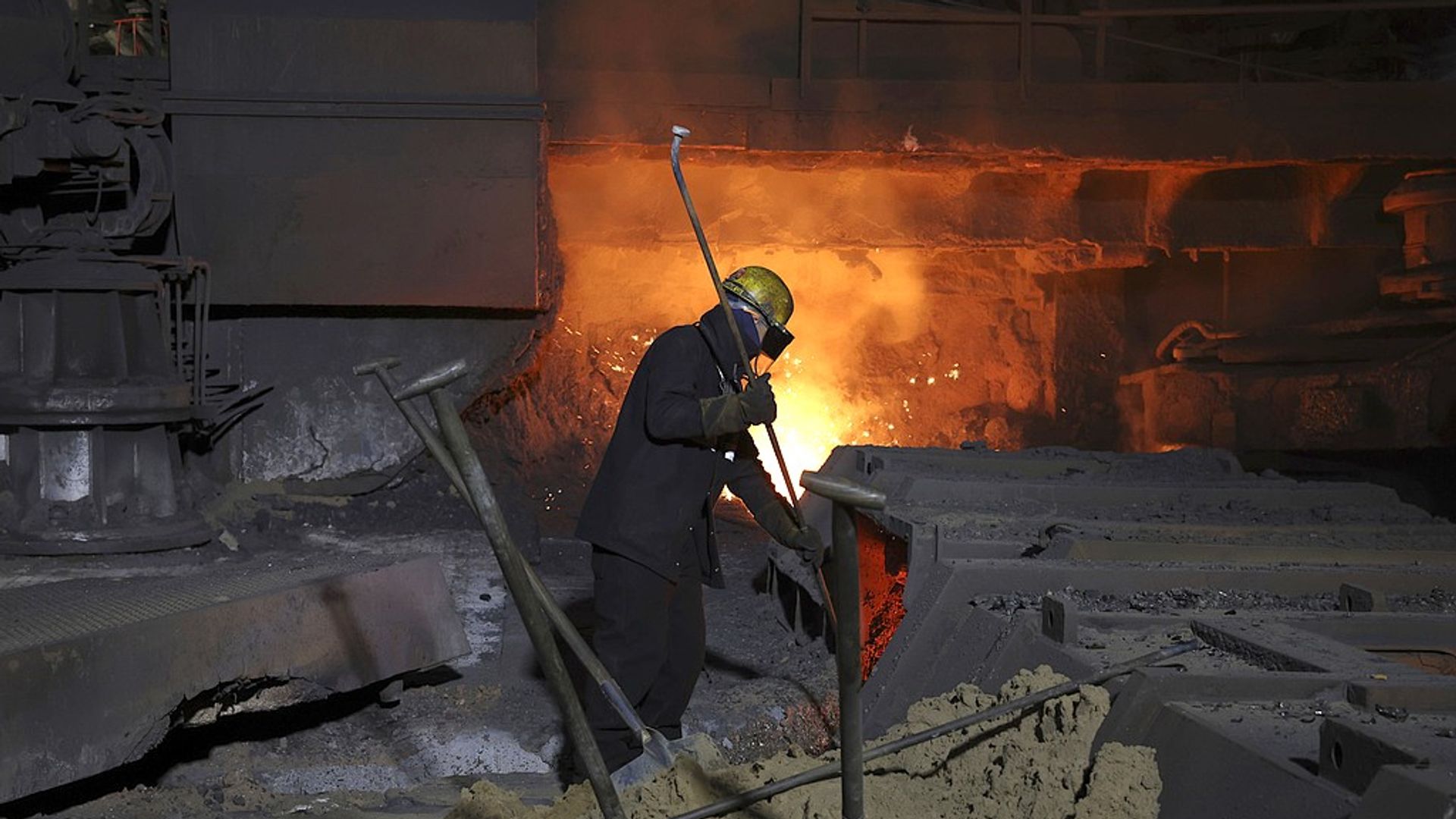 🇬🇧 Why UK's new steel tariff is a watershed moment
[United Kingdom]
🇬🇧 Why UK's new steel tariff is a watershed moment
[United Kingdom]
There is a small fraction of the population for whom the release of the government's new Steel Strategy represents an extraordinarily fascinating, not to mention important, moment. The chances are you...
Related: #Industrial Strategy -
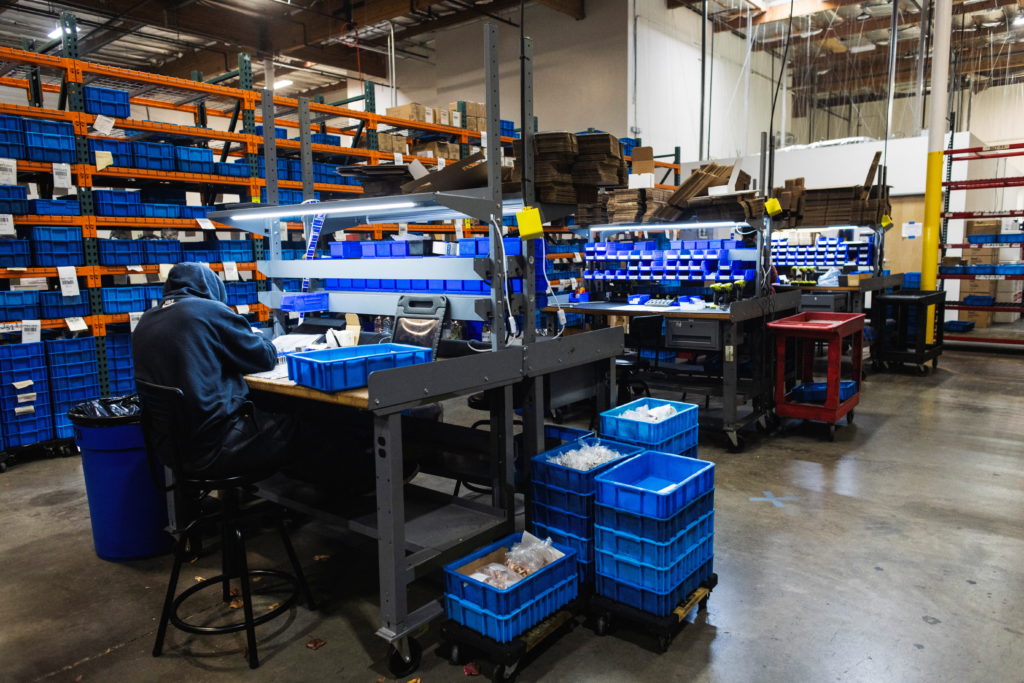 🇺🇸 Trump's tariffs are causing harm to American manufacturers instead of benefiting them
[USA]
🇺🇸 Trump's tariffs are causing harm to American manufacturers instead of benefiting them
[USA]
The White House says the Republican president's policies will take time to make a difference.
Related: #Economic Impact -
 🇺🇸 Trump's tariffs are hurting American manufacturers instead of helping them
[USA]
🇺🇸 Trump's tariffs are hurting American manufacturers instead of helping them
[USA]
Jay Allen is a fan of President Trump and voted for him on the belief that the Republican would cut taxes and trim regulations, helping his manufacturing business in northeast Arkansas.
Related: #Economic Impact -
 🇺🇸 Trump's tariffs were supposed to help manufacturers. But instead, they're hurting
[USA]
🇺🇸 Trump's tariffs were supposed to help manufacturers. But instead, they're hurting
[USA]
There’s a growing body of data showing that the tariffs President Donald Trump said would help American factories are, in fact, squashing many of them
Related: #Economic Impact -
🇺🇸 Lululemon reports weak guidance as proxy battle, tariffs weigh on bottom line
[USA]
Lululemon topped fourth-quarter estimates but gave weaker-than-expected sales and earnings forecasts for 2026.
Related: #Corporate Governance -
 🇺🇸 Trump Officials Look to More Managed Approach to Trade With China
[USA]
🇺🇸 Trump Officials Look to More Managed Approach to Trade With China
[USA]
The administration has begun discussing a new “Board of Trade” with China to try to balance what U.S. officials see as an unequal economic relationship.
Related: #US-China Relations
Key Entities (27)
- Tariffs in the Trump administration (6 news)
- Donald Trump (4 news)
- China (3 news)
- United States Court of International Trade (2 news)
- Supreme court (2 news)
- Brexit (1 news)
- United Kingdom (1 news)
- White House State Ballroom (1 news)
- White House (1 news)
- ArcelorMittal (1 news)
- Bloomberg News (1 news)
- Liberation Day (1 news)
- Merchant Marine Act of 1920 (1 news)
- Iran (1 news)
- World Trade Organization (1 news)
- Liberty Justice Center (1 news)
- Oregon Attorney General (1 news)
- National Football League (1 news)
- Extreme ultraviolet lithography (1 news)
- Ecuador (1 news)
- Colombia (1 news)
- Gustavo Petro (1 news)
- Daniel Noboa (1 news)
- Deadline (1 news)
- United States (1 news)
- Thailand (1 news)
- Tariff (1 news)
About the topic: Trade Policy
Trade policy is the framework of laws and strategies a government uses to regulate its commerce with other nations. This complex area balances the goals of protecting domestic industries with the benefits of participating in the global economy. At its core, trade policy revolves around a central debate between free trade and protectionism. Free trade advocates for minimal government interference, allowing goods and services to cross borders with few to no tariffs or quotas. The theory, famously articulated by economist Adam Smith, is that countries should specialize in what they produce most efficiently. As he noted, "It is the maxim of every prudent master of a family, never to attempt to make at home what it will cost him more to make than to buy." On the other hand, protectionism uses tools like tariffs (taxes on imports) and quotas (limits on the quantity of imported goods) to shield domestic industries from foreign competition. The goal is often to protect jobs, nurture new industries, or ensure national security for critical products. Chart: The Effect of a Tariff This chart illustrates how a tariff increases the price of an imported product, making the domestic equivalent more competitive. Price Comparison: Imported vs. Domestic Good Domestic Product: $50 █▓▒░█▓▒░█▓▒░█▓▒░█▓▒░ Imported Product: $50 █▓▒░█▓▒░█▓▒░█▓▒░█▓▒░ Imported + 20% Tariff: $60 █▓▒░█▓▒░█▓▒░█▓▒░█▓▒░█▓▒░ **Interesting Fact:** The Smoot-Hawley Tariff Act of 1930 in the United States raised tariffs on over 20,000 imported goods. Many economists believe it worsened the Great Depression by causing retaliatory tariffs from other countries, which choked off global trade. Modern trade policy is increasingly complex, dealing with digital trade, intellectual property rights, and supply chain security. After recent global disruptions, many nations are focused on "near-shoring" or "friend-shoring"—moving supply chains to nearby or allied countries to reduce risk. This marks a strategic shift from pure cost efficiency to a model that prioritizes resilience. Chart: Major Global Trading Blocs (Approx. Share of World Trade) European Union (EU): 31% █████████████▓▓▓▓▓▓▓▒▒▒▒▒░░░ USMCA (US/Mex/Can): 17% ████████████▓▓▓▓▒▒░ ASEAN (SE Asia): 7% ███████ Rest of World: 45% ██████████████████████████████▓▓▓▓▓▓▓▓▒▒▒▒░░ Understanding trade policy is crucial for grasping how the global economy functions, from the price of your smartphone to the success of local businesses. Important URLs: * World Trade Organization (WTO): https://www.wto.org * Office of the U.S. Trade Representative (USTR): https://ustr.gov * European Commission - Trade Policy: https://policy.trade.ec.europa.eu/index_en * International Monetary Fund (IMF) on Trade: https://www.imf.org/en/Topics/Trade