
Danube's record low levels force shutdown of Hungary's only nuclear plant
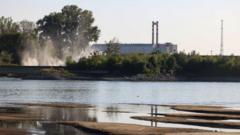
Romania, Bulgaria and Serbia are also grappling with the effects of a series of prolonged heatwaves and low rainfall.
Reported by 1 outlet — BBC World. See all sources ↓
{"Hungary's only nuclear power plant has been shut down because the Danube River reached its lowest level ever.","The low water level makes it impossible to cool the reactors safely.","Romania, Bulgaria and Serbia are also suffering from long heatwaves and little rain.","These weather conditions have caused the river to drop across the region."}
Why it matters
{"This shows how extreme weather can affect energy supply and daily life.","It also highlights the need for countries to adapt to climate change."}
- Why was Hungary's nuclear plant shut down?
- Because the Danube River's water level fell too low to cool the reactors.
- Which other countries are affected by the dry weather?
- Romania, Bulgaria and Serbia are also facing heatwaves and low rainfall.
- What does this event suggest about climate impacts?
- It suggests that extreme weather can disrupt power generation and infrastructure.
How outlets are framing the same story
Here's how each outlet is covering the story — compare their headlines and timing at a glance.
All outlets frame the story the same way.
- Coverage card1 outlet1CoverageScouting report
Danube's record low levels force shutdown of Hungary's only nuclear plant
Sources1TypeCoverageBBC World