
Former SpaceX engineers are building a robotic factory for making steel parts
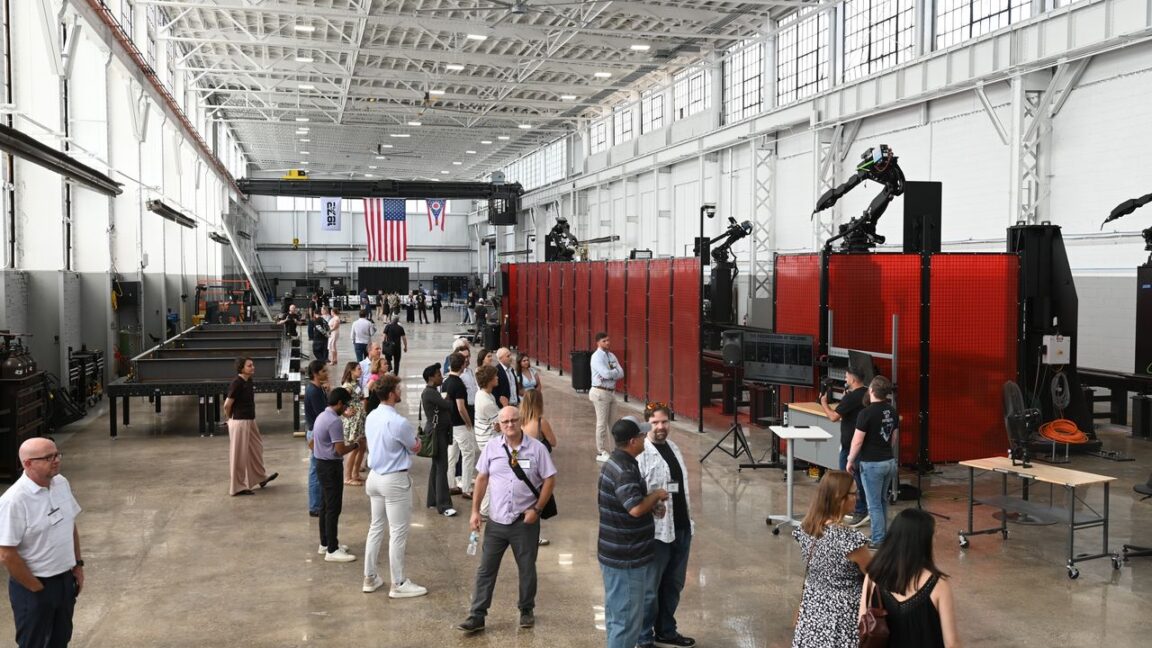
Three former SpaceX engineers have switched their attention from making rocket engines to manufacturing steel parts by using AI-driven software and robots. Their immediate goal involves establishing a prototype factory that can automate most of the steel fabrication process for crucial infrastructure components by 2027.
Reported by 1 outlet — Ars Technica. See all sources ↓
Three former SpaceX engineers have switched their attention from making rocket engines to manufacturing steel parts by using AI-driven software and robots. Their immediate goal involves establishing a prototype factory that can automate most of the steel fabrication process for crucial infrastructure components by 2027. The startup, called 1872, officially launched on July 22 with a ribbon-cutting ceremony at its Factory One facility in Cincinnati, Ohio. The company is initially focused on automating the manufacturing of steel skids—rectangular steel frames that can provide a moveable foundation for modular buildings—with the goal of supplying customers who are developing AI data centers or small modular nuclear reactors.
Read the full report at Ars Technica ↗
Why it matters
A world story we're tracking; its significance and source trust firm up as more outlets confirm it.
- What's the story?
- Three former SpaceX engineers have switched their attention from making rocket engines to manufacturing steel parts by using AI-driven software and robots. Their immediate goal involves establishing a prototype factory that can automate most of the steel fabrication process for crucial infrastructure components by 2027.
- How widely is it covered?
- 1 outlet, average source rating 7.0/10.
- When was it last updated?
- 7m ago.
How outlets are framing the same story
Here's how each outlet is covering the story — compare their headlines and timing at a glance.
- Coverage card1 outlet1CoverageScouting report
Former SpaceX engineers are building a robotic factory for making steel parts
Sources1TypeCoverageArs Technica