
How Social Media Makes Our Lives Smaller
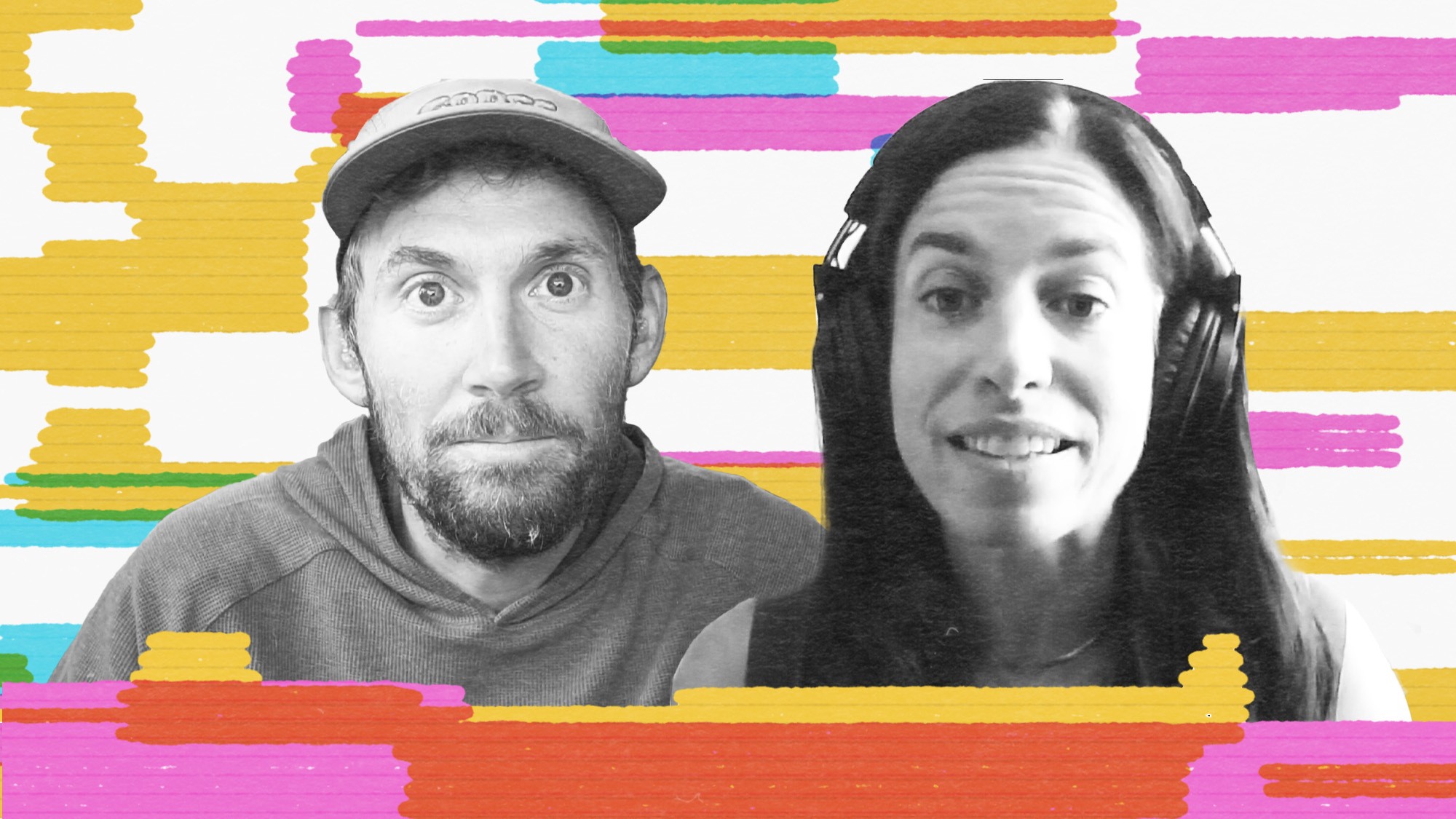
Most people spend more time than you think agonizing over their social-media posts. Kathryn Jezer-Morton wanted to understand their thinking—and when she dug deeper, she learned that redemption and optimization narratives are what the algorithm rewards, and therefore what drive the stories we tell.
Reported by 1 outlet — The Atlantic. See all sources ↓
Most people spend more time than you think agonizing over their social-media posts. Kathryn Jezer-Morton wanted to understand their thinking—and when she dug deeper, she learned that redemption and optimization narratives are what the algorithm rewards, and therefore what drive the stories we tell. What does that mean for how we all think about ourselves? Charlie Warzel talks to Jezer-Morton about how authentic has become something different from true, and how people’s arcs on social media tend to point only upward.The following is a transcript of the episode: Kathryn Jezer-Morton: No one’s interested in scientific data as much as they’re interested in a really compelling anecdote.
Read the full report at The Atlantic ↗
Why it matters
A world story we're tracking; its significance and source trust firm up as more outlets confirm it.
- What's the story?
- Most people spend more time than you think agonizing over their social-media posts. Kathryn Jezer-Morton wanted to understand their thinking—and when she dug deeper, she learned that redemption and optimization narratives are what the algorithm rewards, and therefore what drive the stories we tell.
- How widely is it covered?
- 1 outlet, average source rating 8.0/10.
- When was it last updated?
- just now ago.
How outlets are framing the same story
Here's how each outlet is covering the story — compare their headlines and timing at a glance.
- Coverage card1 outlet1CoverageScouting report
How Social Media Makes Our Lives Smaller
Sources1TypeCoverageThe Atlantic