
Next Generation of Planetary Scientists Learn Public Engagement Skills
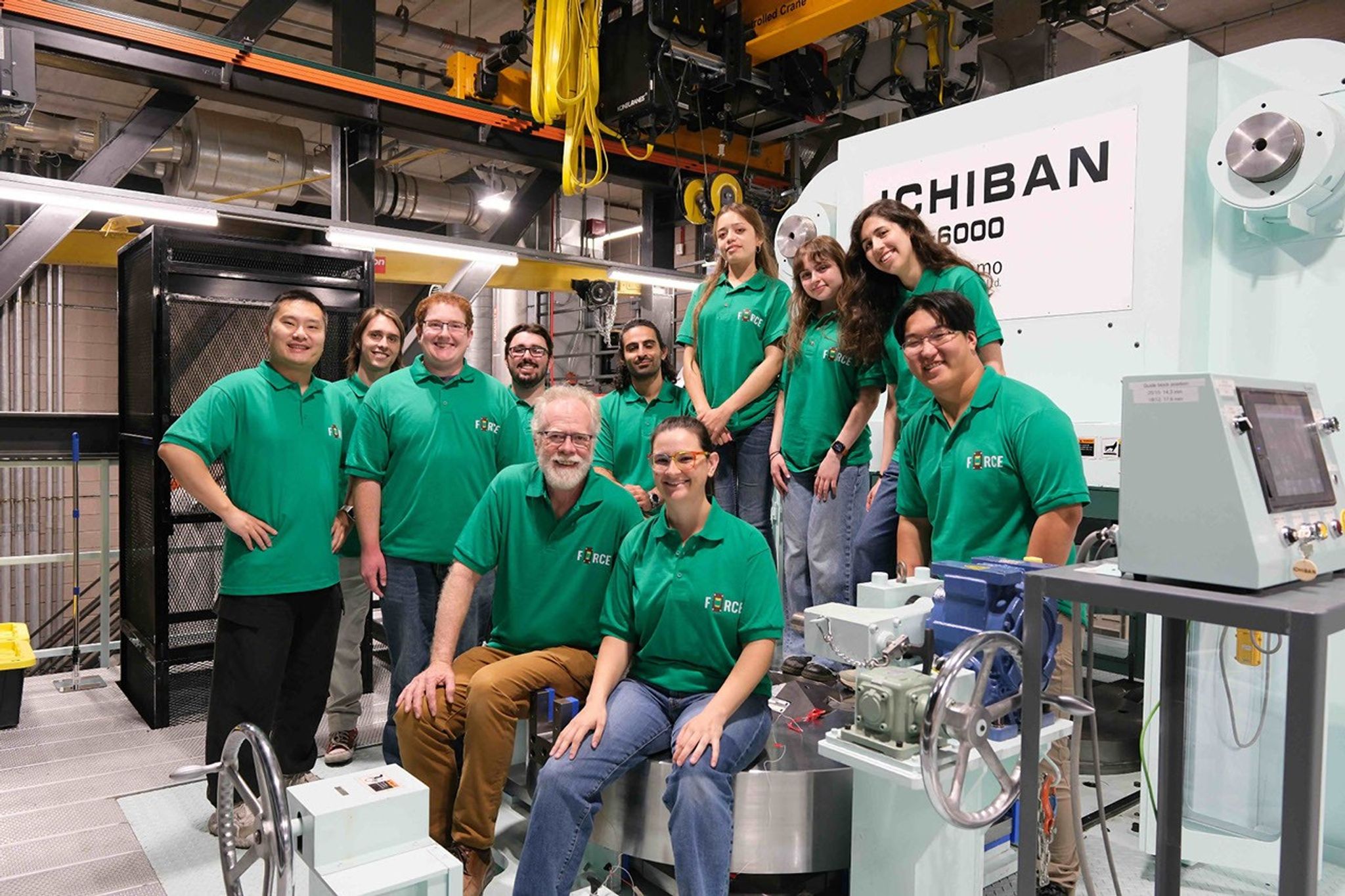
Explore This Section Science Science Activation Next Generation of Planetary… Overview Resources Opportunities Citizen Science Highlights About Science Activation 3 min read Next Generation of Planetary Scientists Learn Public Engagement Skills Group photo of undergraduate research interns and FORCE leaders standing together beside the high-pressure laboratory equipment. The NASA Science Mission Directorate (SMD) Community of Practice for Education (SCoPE) – part of the NASA Science Activation (SciAct) Program portfolio – enables Earth and Space Science and Engineering Subject Matter Experts (SMEs) – especially NASA-funded SMEs – to efficiently and effectively share their science with support from SciAct education experts.
Reported by 1 outlet — NASA. See all sources ↓
Explore This Section Science Science Activation Next Generation of Planetary… Overview Resources Opportunities Citizen Science Highlights About Science Activation 3 min read Next Generation of Planetary Scientists Learn Public Engagement Skills Group photo of undergraduate research interns and FORCE leaders standing together beside the high-pressure laboratory equipment. The NASA Science Mission Directorate (SMD) Community of Practice for Education (SCoPE) – part of the NASA Science Activation (SciAct) Program portfolio – enables Earth and Space Science and Engineering Subject Matter Experts (SMEs) – especially NASA-funded SMEs – to efficiently and effectively share their science with support from SciAct education experts. In Summer 2026, NASA SCoPE partnered with Arizona State University’s Facility for Open Research in a Compressed Environment (FORCE) Summer School to help seven undergraduate student interns build the science communication skills needed to share their research with a variety of audiences. FORCE is a world-class laboratory that uses high-pressure experimental equipment to recreate the extreme conditions found deep within Earth and other planetary bodies, enabling researchers to better understand how planets form, evolve, and behave under immense pressures.
Read the full report at NASA ↗
Why it matters
A world story we're tracking; its significance and source trust firm up as more outlets confirm it.
- What's the story?
- Explore This Section Science Science Activation Next Generation of Planetary… Overview Resources Opportunities Citizen Science Highlights About Science Activation 3 min read Next Generation of Planetary Scientists Learn Public Engagement Skills Group photo of undergraduate research interns and FORCE leaders standing together beside the high-pressure laboratory equipment. The NASA Science Mission Directorate (SMD) Community of Practice for Education (SCoPE) – part of the NASA Science Activation (SciAct) Program portfolio – enables Earth and Space Science and Engineering Subject Matter Experts (SMEs) – especially NASA-funded SMEs – to efficiently and effectively share their science with support from SciAct education experts.
- How widely is it covered?
- 1 outlet, average source rating 9.0/10.
- When was it last updated?
- just now ago.
How outlets are framing the same story
Here's how each outlet is covering the story — compare their headlines and timing at a glance.
- Coverage card1 outlet1CoverageScouting report
Next Generation of Planetary Scientists Learn Public Engagement Skills
Sources1TypeCoverageNASA