
Uber and Lyft dominate the ride-hail industry. Can rivals cut in?
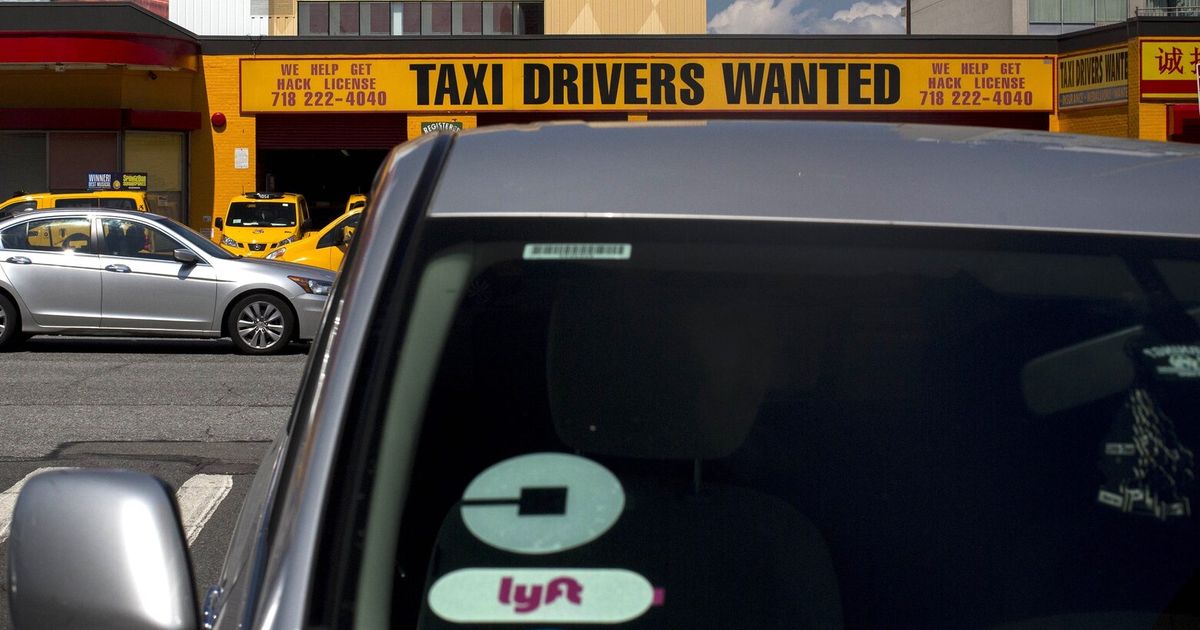
By charging drivers a smaller fixed fee per ride, and reducing charges that otherwise get passed onto passengers, TADA promises better pay and cheaper fares.
Reported by 1 outlet — Seattle Times. See all sources ↓
Uber and Lyft have most of the ride‑hail market in the United States. A new company called TADA wants to take some of that market. TADA charges drivers a small fixed fee for each ride instead of taking a percentage of the fare. This can mean higher pay for drivers and lower prices for passengers.
Why it matters
If rivals like TADA succeed, riders could pay less for trips. Drivers might earn more money, which could improve working conditions in the gig economy.
- What do Uber and Lyft currently control?
- They control most of the ride‑hail market in the U.S.
- How does TADA’s fee model differ from Uber and Lyft?
- TADA charges drivers a small fixed fee per ride instead of a percentage of the fare.
- Why might drivers prefer TADA’s model?
- Drivers keep more of the fare, so they can earn more money per ride.
How outlets are framing the same story
Here's how each outlet is covering the story — compare their headlines and timing at a glance.
Only one outlet was provided, so all outlets frame the story the same way.
- Coverage card1 outlet1CoverageScouting report
Uber and Lyft dominate the ride-hail industry. Can rivals cut in?
Sources1TypeCoverageSeattle Times