
Fed-favored PCE inflation gauge falls for first time since pandemic, but danger far from over
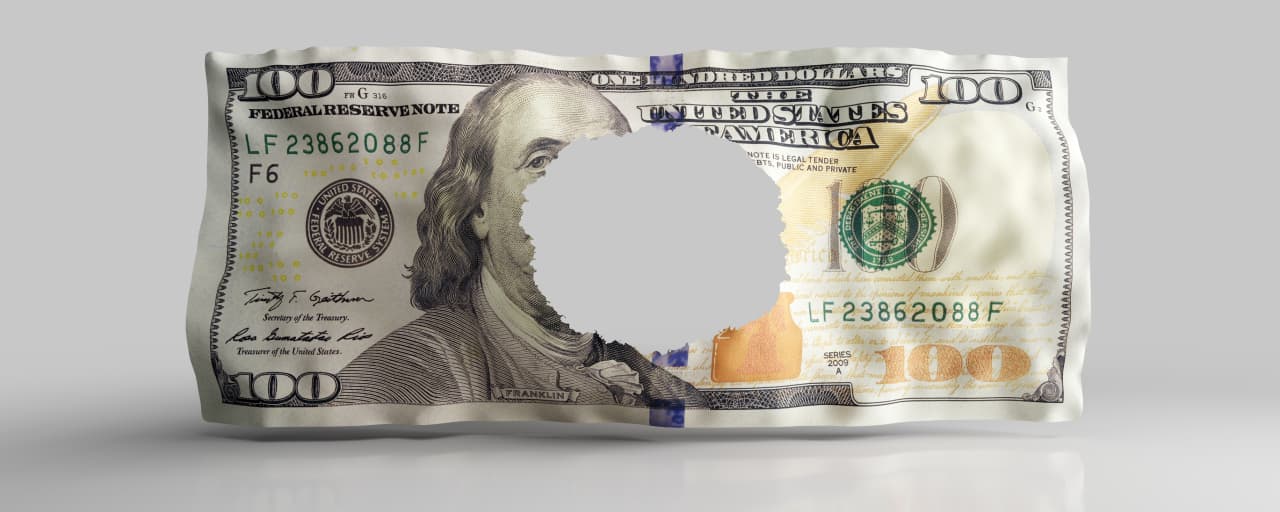
Lower gas prices after temporary Iran truce tugs inflation lower
Reported by 1 outlet — MarketWatch. See all sources ↓
The Fed's favorite inflation measure, called PCE, dropped for the first time since the COVID‑19 pandemic began. The drop happened because gasoline prices fell after a short‑term truce between the US and Iran. Despite the fall, officials warn that inflation is still a problem and could rise again. The PCE index tracks how much prices change for goods and services that people buy.
Why it matters
Inflation affects the cost of everyday items, interest rates, and job growth. A lower PCE reading may influence the Federal Reserve’s decisions on interest rates, which in turn affect loans, mortgages, and savings.
- What is the PCE inflation gauge?
- It is a measure the Federal Reserve uses to see how prices for goods and services are changing.
- Why did the PCE gauge fall this time?
- It fell mainly because gasoline prices dropped after a temporary truce between the US and Iran.
- Does the fall mean inflation is over?
- No, officials say inflation is still a concern and could rise again.
How outlets are framing the same story
Here's how each outlet is covering the story — compare their headlines and timing at a glance.
All outlets frame the story the same way, focusing on the PCE drop, the role of lower gas prices, and the warning that inflation risks remain.
- Coverage card1 outlet1CoverageScouting report
Fed-favored PCE inflation gauge falls for first time since pandemic, but danger far from over
Sources1TypeCoverageMarketWatch